


BST-50S charcoal & biochar production in Indonesia
- Client Background
An Indonesian oil palm plantation covering 200 hectares faced soil acidification due to long-term chemical fertilizer use. - Problems Faced
1. High disposal costs for palm shell and empty fruit bunch (EFB) waste.
2. Low soil water retention and heavy reliance on chemical fertilizers. - Solutions
A customized BST-50S biochar machine was deployed:
1. Pyrolysis of palm shells and EFB with precise temperature control to produce high-porosity biochar.
2. Biochar blended with palm shell vinegar to create organic fertilizer, replacing 30% of chemical fertilizers. - Results
1. Soil pH increased from 4.8 to 5.9 within 6 months; water retention improved by 22%.
2. Annual CO₂ reduction of 150 tons, supporting participation in Indonesia’s carbon trading program
3. Oil palm yield increased by 8% - Client Said
This system enables a closed loop from waste to biochar to fertilizer, improving yields while supporting our carbon neutrality goals.
Learn More


BST-50S Wood Chips Biochar Machine In USA
- Raw material: wood chips
- Input capacity: 10-15 m³/h (5000kg/h)
- End product: for carbon credit trading
- Machine type: fully continuous
- Installation method: on-site installation
From Biomass Waste to Valuable Charcoal & Biochar
Charcoal making machine, also known as biochar production equipment or biomass pyrolysis machine, is designed to convert various biomass waste into charcoal through a process called pyrolysis. The process involves heating the biomass waste in an oxygen-limited environment, which prevents it from combusting but allows it to thermally decompose into charcoal, along with by-products like wood vinegar, tar and syngas.

Agricultural waste
Coconut shells, fruit shell, coffee husks,rice husk, nut shells, hazelnut shells, oak, jute stalks, peanut shells, sunflower stalks, elephant grass, peach pits, etc.
Forestry waste
EFB, bamboo, olive shells, wood, sawdust, log, etc.
Sewage and sludge waste
Municipal sludge, river sludge, domestic sludge, etc.

Charcoal
· Cooking & heating
· Grilling food
· Soil improvement
Biochar
· Carbon Credits Trading
· Soil Improvement
· Steel and metallurgical industries
Syn gas
· Fuel for heating
· Power generation
· Reuse in the furnace


Finished Charcoal Production
Beston charcoal making machine is equipped with forming system that can produce charcoal with different shapes, such as lump charcoal, cubic charcoal, oval charcoal, hexagonal charcoal, cylinder charcoal and charcoal powder, which can be used in many applications, such as industrial field, agricultural field, metallurgical field, carbon credits, etc.


Beston Charcoal Making Machine Models
To meet different requirements for operating efficiency, working conditions & charcoal quality, Beston offers two types of fully continuous charcoal production equipment: BST-06 & BST-50S, with a capacity of 0.3-15m³/h.


Beston Technical Breakthroughs
 Tar-free carbonization process for cleaner operation and higher system reliability.
 Biochar verified by accredited German laboratories, meeting most EBC application requirements and aligning with Puro.earth standards.
 Fully automated control system delivering enhanced safety, stable performance, and user-friendly operation.
Charcoal Making Process
.gif)
The temperature is around 150℃, and the external and internal moisture of the raw materials are evaporated by the heat supplied from the outside, and the shape of the raw materials does not change at this time. Only physical reaction occurs in the stage.
The temperature is 220-270℃, and the raw materials begin to decompose and release gas, the chemical composition of the raw materials begins to change, and the pyrolysis temperature varies from different feedstocks.
The temperature is 270-400℃, and the reaction process is mainly polycondensation and thermal decomposition. A large amount of volatiles are precipitated from feedstocks. Other products such as methanol and ethylene are also produced in this stage.
Under the fan, the high-temperature exhaust in the main furnace are cooled by the flue gas cooler and then enter the spray column for cleaning, removing harmful substances from the flue gases. The cooled slag enters the main furnace through the stoves.
Equipment Components

Our charcoal machine boasts precise temperature control, allowing for optimal carbonization of various materials. Whether you’re working with biomass, wood, or other organic matter, our machines guarantee consistent and uniform carbonization, ensuring the highest quality final products.
Say goodbye to long processing times and hello to increased productivity! Our cutting-edge equipment utilizes advanced heating mechanisms and optimized airflow systems, drastically reducing carbonization cycle times. Experience faster turnaround, higher output, and improved profitability.
Built to withstand demanding industrial environments, our charcoal making equipment is engineered with durability in mind. Constructed from high-quality materials and subjected to rigorous testing, our machines deliver long-lasting performance, ensuring your investment stands the test of time.
From agriculture to energy production, our charcoal making plant has diverse applications. Whether you’re in the agriculture or wood industry, or have requirements for activated charcoal, our machines adapt to your specific needs. Experience flexibility and versatility like never before.
Global Cases


Location: Indonesia
Raw Material: coconut shell
Model: BST-50S
Capacity: 5000kg/h
Installation method:
On-site installation
Final product:
Charcoal


Time: 2024.03
Location: Iran
Model: BST-50S
Capacity: 5000kg/h
Installation method:
On-site installation
Final product:
Charcoal


Time: 2023.11
Location: Costa Rica
Raw material: rice husk
Capacity: 5000kg/h
Installation method:
On-site installation
Final product:
Charcoal


Time: 2024.01
Location: Columbia
Model: BST-50S
Working Method: fully continuous
Installation method:
On-site installation
Final product:
Charcoal


Time: 2023.10
Location: India
Type: fully continuous
Capacity: 5000kg/h
Installation method:
On-site installation
Final product:
Charcoal


Time: 2023.09
Location: Costa Rica
Model: BST-50S
Capacity: 5000 kg/h
Working method:
Fully continuous
Final product:
Charcoal


Time: 2023.09
Location: Spain
Model: BST-50S
Capacity: 5000 kg/h
Working method:
Fully continuous
Final product:
Charcoal


Time: 2023.06
Location: Indonesia
Model: BST-50S Carbonization Machine
Capacity: 5000 kg/h
Installation method:
On-site installation
Final product:
Charcoal


Delivery time & Location: Serbia, 2023
Product model: BST-50S with 2 dryers
Raw materials: municipal sewage sludge
Operating efficiency: 5000kg /h
Installation method:
On-site installation
End product:
biochar


Delivery time & Location: Croatia, 2023.03
Product model: BST-50S
Raw materials: straw
Operating efficiency: 10-15m³/h
Installation method:
On-site installation
End product:
biochar
Beston End-to-end Coverage for Biochar Projects
BESTON work in with Puro.earth and Crystalchain provides a full-lifecycle service framework for biochar carbon removal projects — covering early-stage project planning, LCA assessment, delivery & construction, biochar production, dMRV monitoring, and carbon credit certification.
Project Planning
Beston works in strategic partnership with CrystalChain to enhance our
EPC project delivery capabilities.
- Defining the project as carbon removal solution design
- Feedstock eligibility and sustainability assessment
- Registry selection, e.g. Puroearth, Isometric etc.
- Life Cycle Assessment, LCA, prepared for project registration
Project Delivery & Construction Services
Once financing is secured, Beston delivers a comprehensive Delivery
& Construction Services.
- Environmental industrial park planning and process layout
- Manufacturing, delivery, installation, and commissioning of biochar equipment
- Office buildings, dormitories, and supporting infrastructure
Production & dMRV Monitoring
- dMRV system: full traceability of feedstock, production, biochar use,
logistics, and emissions. - Automated carbon removal calculation based on LCA models.
- Standardized reports for registry verification and credit issuance.
Through dMRV, each ton of permanently removed CO₂ is traceable, verifiable, and creditable.
Carbon Credit Certification
Based on dMRV and LCA outputs, results are submitted to registries
such as Puroearth:
- Reviewed by the registry and third-party auditors
- High-quality carbon removal credits are issued
- Credits can be sold, held, or used for corporate climate strategies

Service & Support

Pre-sale Service
Details communication and optimal solution providing for choice.
Factory visit invitation: production site display.
Provide customized design to meet customer’s operation demands.
Offer confidential files, financing program, exclusive agency agreement, etc.
Service During Sale
Furnish design drawings: layout plan, circuit diagram, installation drawing, etc.
Regular weekly report on product production progress.
Online or on-site product inspection by customer.
Monitor transportation process.
After-sales Service
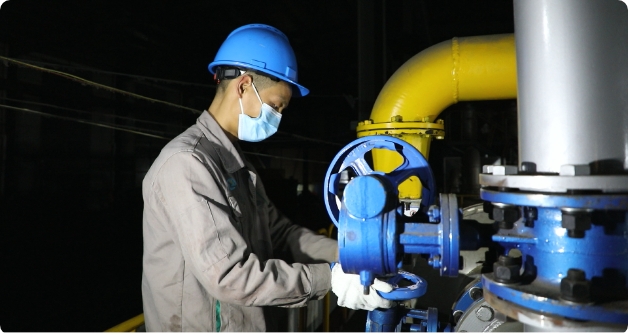
Assist with on-site or online installation.
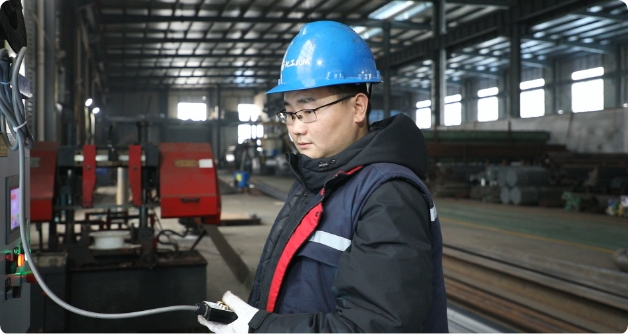
Professional operation team provides professional operation training.
Implement tracking feedback.
Conduct maintenance and repair within 24 hours.
